

+918043694530

Currently it only shows your basic business info. Start adding relevant business details such as description, images and products or services to gain your customers attention by using Boost 360 android app / iOS App / web portal.

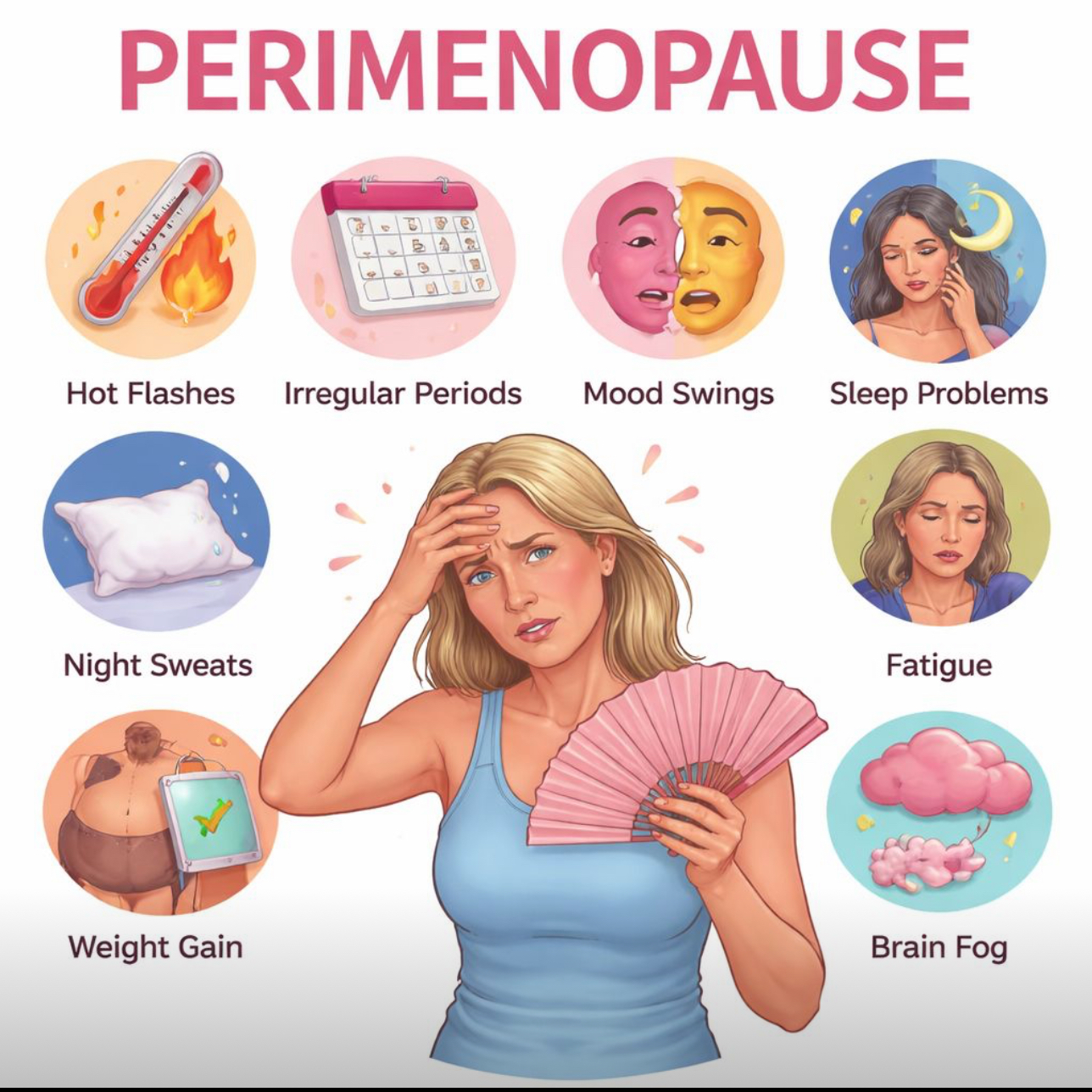
Most women believe menopause begins in their late 40s or 50s. What many don’t realise is that the transition toward menopause can start much earlier, sometimes as early as the early to mid-30s. This early transition phase is called perimenopause. What Is Perimenopause? Perimenopause is the period before menopause, when a woman’s hormones—especially estrogen and progesterone—begin to fluctuate. During this phase, menstrual periods may still occur regularly or irregularly, which is why many women and even healthcare providers overlook it. Menopause is officially diagnosed only after 12 consecutive months without a menstrual period. Everything that happens hormonally before that final year is part of perimenopause. Why Perimenopause Often Goes Unnoticed Because periods often continue, the symptoms of perimenopause are frequently dismissed or misunderstood. Many women are told they are “too young” to be experiencing hormonal changes. However, hormonal shifts can quietly affect multiple systems in the body. Common early symptoms include: • Disturbed sleep or insomnia • Mood swings, anxiety, or low mood • Fatigue and reduced energy • Weight gain or difficulty losing weight • Brain fog or poor concentration • Reduced libido or sexual discomfort • Changes in menstrual flow or cycle length These changes may appear gradually and without a clear trigger, making them easy to ignore or mislabel. Why Are Women Experiencing Perimenopause Earlier Today? Modern lifestyles place significant physical and emotional demands on women. Chronic stress, long working hours, poor sleep quality, emotional overload, and prolonged caregiving responsibilities can all affect the delicate hormonal balance. While perimenopause is a natural biological transition, long-term stress and depletion can unmask symptoms earlier, especially in women over 30. The Emotional Impact of Not Understanding Perimenopause Without proper awareness, many women begin to blame themselves. They may think: • “I’m too young for this.” • “Something must be wrong with me.” • “I just need to push harder.” This self-blame can delay care and increase emotional distress. Perimenopause Is Not a Failure — It’s Biology Perimenopause is not a disease and not a personal failure. It is a normal physiological phase where the body’s hormonal rhythm begins to shift. Understanding this transition early allows women to: • Seek timely medical guidance • Address sleep, nutrition, and stress more effectively • Make informed lifestyle and treatment choices • Feel validated rather than dismissed When to Seek Medical Advice Women experiencing persistent symptoms that affect quality of life—especially changes in mood, sleep, cycles, or energy—should consult a qualified gynecologist. Early evaluation helps rule out other conditions and allows for individualized support, whether through lifestyle guidance, nutritional support, or medical treatment when required. Supporting Women Through Every Life Stage At our hospital, we believe women deserve informed, compassionate care at every stage of life. Recognizing perimenopause early empowers women to respond with awareness rather than self-criticism—and to receive the support they truly need. If you are in your 30s or 40s and noticing unexplained changes in your body or wellbeing, you are not imagining it. Your body may simply be asking for attention, care, and understanding. Dr Kavita Gadekar Gynaecologist, Nashik


