

+918043694530

Currently it only shows your basic business info. Start adding relevant business details such as description, images and products or services to gain your customers attention by using Boost 360 android app / iOS App / web portal.

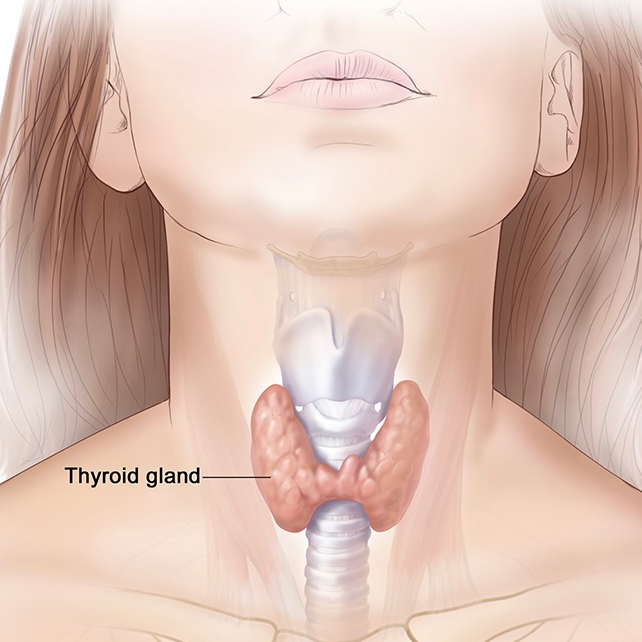
Thyroid is a gland present in the base of the neck which is responsible for many vital functions. When there is dysfunction in the working of this gland it leads to Thyroid disease which is of two types, hypothyroidism and Hyperthyroidism. Hyperthyroidism, also called overactive thyroid, is a condition where the thyroid releases high levels of thyroid hormone into the body. This condition can make your metabolism speed up. Symptoms of hyperthyroidism include a rapid heartbeat, weight loss, increased appetite and anxiety. In Hypothyroidism there is less or not so enough production of thyroid hormone and it is also known as underactive thyroid.This makes your metabolism slow down. Also called underactive thyroid, hypothyroidism can make you feel tired, gain weight and be unable to tolerate cold temperatures. While in a condition of hyperthyroidism, there is extra production of thyroid hormone and it is also known as overactive thyroid. There can be serious issues while dealing with this disease. There can be different reasons for the occurrence of thyroid disease like Iodine deficiency, non-functioning thyroid gland or other diseases that interrupt the functioning of thyroid gland like Thyroiditis, Hashimoto’s thyroiditis and postpartum thyroiditis. Other than this, there can be various symptoms to this disease. In a condition of hypothyroidism you may experience weight gain, fatigue, having coarse or dry hair, having a hoarse voice, and heavy menstrual periods. In a condition of hyperthyroidism you may face issues like weight loss, trouble in sleeping, vision problems, anxiety, irritability and nervousness. All these symptoms are a symbol of thyroid disease which must be treated as soon as possible. A blood test is done to diagnose Thyroid which tells about the level of TSH, T3, T4 present in your blood. After the diagnosis it is important to watch out for your eating habits if you have Thyroid. You must avoid cold drinks, alcohol, fried foods, items of the brassica family, soy foods, caffeine, processed foods, trans fats etc. And in order to show more improvement you can include some exercise in your daily routine.


